
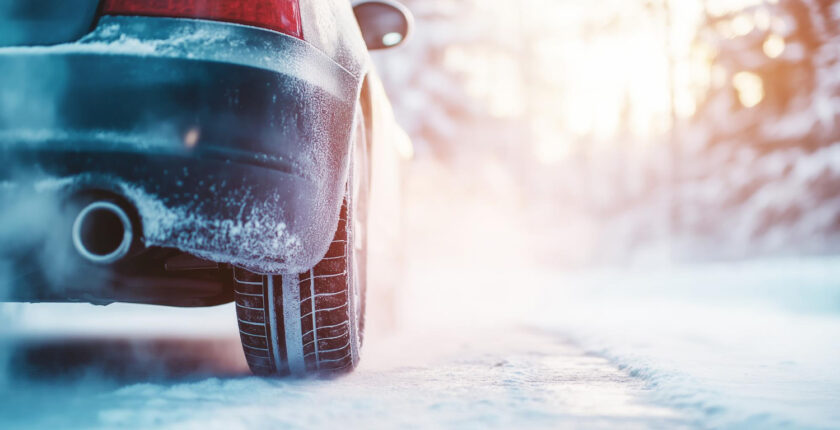
Winter Driving Safety: Essential Tips for UK Roads
Cold weather exposes weaknesses. In vehicles, in planning, and sometimes in judgment. Winter driving UK conditions are rarely as dramatic as those in Scandinavia, yet they catch people off guard every year. Black ice on untreated estate roads in Leeds. Freezing rain along the M62. Sudden fog across rural Kent.
For anyone working in the United Kingdom driver jobs, winter is not just inconvenient. It is an operational risk. The fundamentals are simple, but discipline matters. Good habits, repeated consistently, are what prevent small slides from becoming serious incidents.
Slow Down First. Everything Else Follows.
Speed is the root of most winter mistakes. Stopping distances can easily double in wet or icy conditions. In practice, that means increasing following distance to at least six to ten seconds, especially on motorways and dual carriageways. It feels excessive at first. It is not.
Smoothness becomes your best ally. Harsh braking and sharp steering inputs cause skids long before drivers expect them. Gentle acceleration, progressive braking, and steady steering reduce the likelihood of losing grip.
If a skid does happen, easing off the accelerator and steering into the skid remains the correct response. Panic braking rarely helps.
Engine braking is underused. Downshifting gradually to reduce speed instead of relying solely on the brake pedal gives tyres more chance to maintain traction. It is particularly useful on downhill rural roads where surfaces freeze first.
Visibility Is Not Optional
Commonly seen in the UK is a vehicle driving through sleet with only a small viewing gap scraped into the windscreen. It is not enough.
All windows, mirrors, and lights must be completely clear of ice and snow before setting off. Snow left on the roof or bonnet can slide forward under braking and block visibility entirely. That small extra five minutes at the start of the day prevents dangerous surprises later.
Dipped headlights should be used in heavy rain, snowfall, or low light. Fog lights are appropriate only when visibility drops below around 100 metres. Overusing them in lighter mist creates glare and irritates other drivers.
For professional drivers and those in part-time driver vacancies in the UK, vehicle presentation also reflects reliability. A clean, visible vehicle builds trust with employers and customers.
Tyres, Fluids and the Basics That Matter
Grip begins with tires. UK law requires a minimum tread depth of 1.6mm across the central three-quarters of the tyre, yet winter performance declines well before that limit. In colder months, deeper tread provides better water dispersion and snow traction.
All-season or winter tyres marked with the 3PMSF symbol offer improved grip when temperatures fall below seven degrees. They are not mandatory in the UK, but for high-mileage drivers, they often make practical sense.
Check pressures regularly. Cold air reduces tyre pressure, affecting handling and braking distance.
Windscreen washer fluid must contain anti-freeze. Plain water freezes quickly, rendering washers useless at the worst moment. Radiator anti-freeze levels also need attention. Overheating in winter sounds unlikely, yet insufficient coolant can damage engines even in cold conditions.
Battery performance drops significantly in low temperatures. Many winter breakdowns relate to batteries that were already marginal. Keeping it fully charged and replacing ageing units before December reduces unnecessary roadside waits.
Driving Technique on Ice and Snow
Starting in a higher gear can prevent wheel spin on icy surfaces. Second-gear pull-aways are often smoother in manual vehicles. Automatic vehicles usually manage torque distribution well, but gentle throttle use remains essential.
Reduce speed more than feels necessary. Black ice is invisible. Bridges and shaded country lanes freeze first. In urban areas such as Birmingham or Glasgow, untreated side streets often remain slippery long after main roads clear.
Avoid overtaking snowploughs or gritting lorries. They travel at controlled speeds for a reason. Passing them exposes drivers to untreated surfaces ahead.
Route planning becomes more important during severe weather warnings. Checking forecasts before long-distance journeys allows adjustments. Sometimes, postponing a trip is the safest option. Professional drivers understand that schedule pressure should not override safety judgment.
Preparing for the Unexpected
Even short UK journeys can become prolonged when snow blocks minor roads or accidents close motorways. Carrying warm clothing, blankets, water, and basic food is not excessive. It is practical.
A fully charged mobile phone is essential, along with an in-car charger. Some drivers also carry a shovel and reflective clothing, particularly in rural regions.
If stranded in snow, staying with the vehicle generally offers more protection than walking in poor visibility. Run the engine intermittently for warmth, ensuring the exhaust is clear of snow to prevent fumes from entering the cabin.
These are not dramatic scenarios. They are realistic ones.
A Quiet Word on Responsibility
Winter driving is less about bravado and more about restraint. Employers recruiting for United Kingdom driver jobs look closely at safety records during colder months. A careful approach builds reputation quietly over time.
Driver Jobs connects drivers and employers across the UK who value professionalism and safe practice. If reviewing winter readiness or considering new opportunities before the colder months settle in, speaking with a UK-based recruitment specialist can help clarify expectations and standards. Preparation now usually feels minor. Regret in January rarely does.
FAQs
1. How much should the following distance increase in winter?
Allow at least six to ten seconds in icy or wet conditions to account for longer stopping distances.
2. Are winter tyres compulsory in the UK?
No, but tyres with the 3PMSF marking offer better grip below seven degrees and are beneficial for high-mileage drivers.
3. When should fog lights be used?
Only when visibility drops below around 100 metres, not in light mist or normal rain.
4. What should be in a winter emergency kit?
Warm clothing, blankets, food, water, a charged phone, and basic tools such as a shovel.